

Material selection of polyurethane oil seal
Polyurethane oil seal is a sealing component made of this material. Sealing refers to the installation of at least one pair of end faces perpendicular to the axis of rotation, which adhere and slide relative to each other under the effect of fluid pressure and compensation mechanism elasticity (or magnetic force), and the cooperation of auxiliary sealing, to prevent fluid leakage.
Polyurethane material is a high-performance insulation material. A type of polymer with a main chain containing - NHCOO - repeating structural units. The abbreviation PU in English. It is polymerized from isocyanates (monomers) and hydroxyl compounds. Due to its strong polar amino ester group, it is insoluble in non-polar groups and has outstanding oil resistance, durability, adhesion, and bonding properties. Materials that can adapt to a wide temperature range (-50-150 ℃) can be made from different materials, including elastomers, thermoplastic resins, and thermosetting resins. Not resistant to hydrolysis and alkaline media at high temperatures.
Commonly used monomers include toluene diisocyanate, diisocyanate diphenylmethane, etc. Polyols are divided into three categories: simple polyols (ethylene glycol, propylene glycol, etc.); Polyester oligomers containing terminal hydroxyl groups are used to prepare polyester polyurethane; Polyether oligomers containing terminal hydroxyl groups are used to prepare polyether polyurethane. The polymerization method varies depending on the properties of the material. When composing elastomers, low molecular weight diols are first prepared, then reacted with excess aromatic isocyanates to form prepolymers with isocyanates as end groups, and then chain extended with butanediol to form thermoplastic elastomers; If aromatic diamines are used to extend the chain and further crosslink, casting elastomers can be formed. Pre polymer with hydrazine or diamine chain extension, elastic fibers; The prepolymer with excessive isocyanate can be directly mixed with catalyst and foaming agent to form rigid foam. If the monomer, polyether, water, catalyst, etc. are mixed, the soft foam can be produced in one step. Monomers react with polyols in solution to form coatings; Adhesives are made by mixing polyisocyanate monomers with low molecular weight polyesters or polyethers to stop the reaction during use.
Polyurethane elastomers are used as rollers, conveyor belts, hoses, automotive parts, shoe soles, leather components, wires and cables, and medical artificial organs; Soft foam body is used as the cushion of vehicles, houses and clothes; hard foam body is used as the wood composed of heat insulation, sound absorption, packaging, insulation and low foam; paint is used for the protection of vehicles, furniture, wood and metal; anti leakage materials for pools, dams and buildings; and fabric coating. Adhesives have outstanding adhesion to metals, glass, ceramics, leather, fibers, and other materials. In addition, polyurethane can also be made into lotion, magnetic materials, etc.
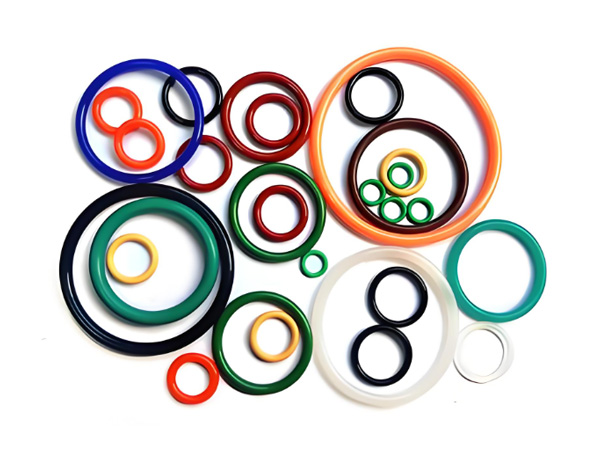
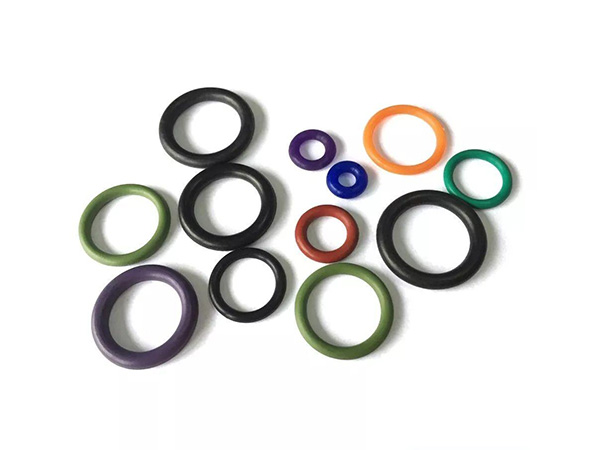
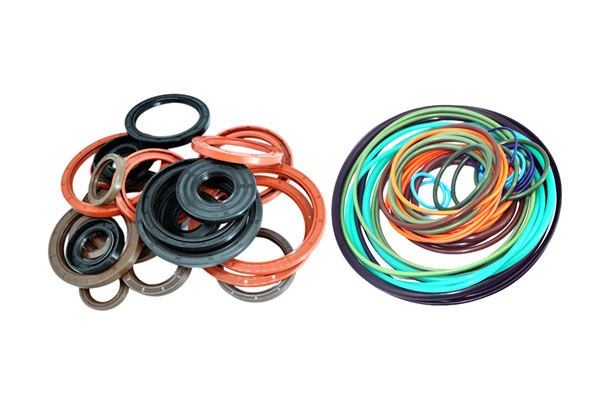
Polyurethane oil seals are mainly used in hydraulic cylinders, which are easy to install and can scrape off dust adhering to the piston rod. The green polyurethane oil seal has slightly lower hardness, while the blue one has higher hardness and can withstand greater pressure. Polyurethane oil seals have outstanding physical and mechanical properties, as well as oil resistance, making them suitable for harsh working conditions and preventing external impurities from entering, thus achieving excellent sealing performance. They are commonly used seals in medium and high pressure hydraulic cylinders.