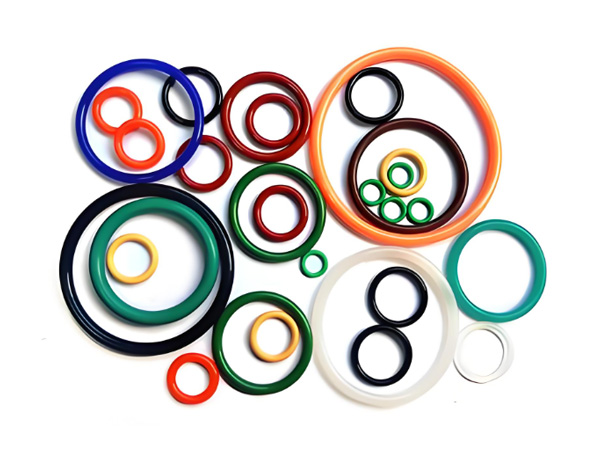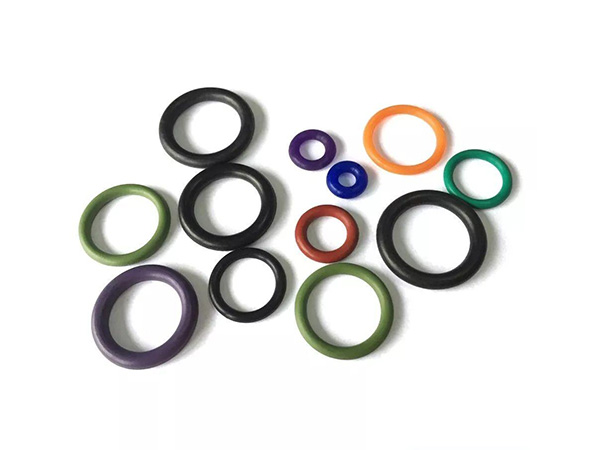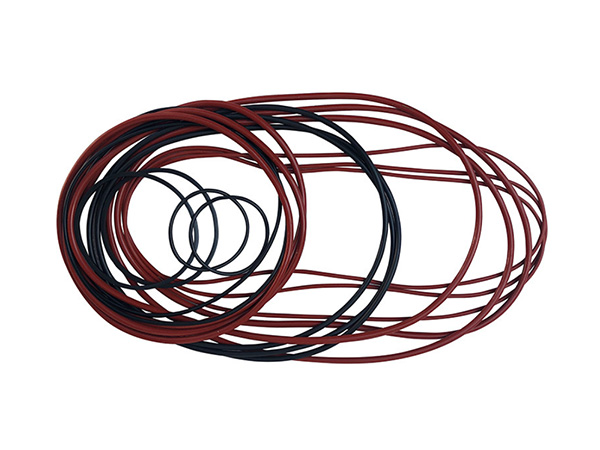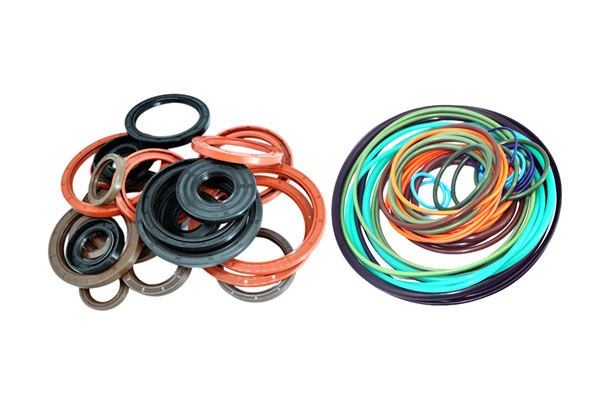


What is the difference between polyurethane seals and rubber seals?
The difference between polyurethane seals (PU) and rubber seals
1. Core performance differences
Polyurethane (PU)
Outstanding advantages: high performance, high strength, high pressure resistance, tear resistance
Good elasticity, but average temperature resistance and weather resistance
Excellent oil and hydraulic oil resistance performance
Ordinary rubber (NBR nitrile/EPDM EPDM, etc.)
Outstanding advantages: good elasticity, wider temperature resistance range, aging resistance, and affordable price
The performance and pressure resistance are significantly inferior to PU
Different rubber materials have significant differences in adapting to different media (NBR oil resistant, EPDM water resistant and weather resistant)
2. Differences in Applicable Scenarios
Polyurethane seals
Commonly used for hydraulic cylinders, construction machinery, and high-pressure reciprocating motion seals
Suitable for: high pressure, strong wear, frequent movement conditions
rubber seal
Commonly used for static sealing, general pressure dynamic sealing, plumbing, automotive, and general equipment
Suitable for: scenarios with normal temperature and pressure, mainly oil/water/weather resistance
3. Hardness and hand feel
PU: Good hardness, strong rigidity, and a slightly hard feel
Rubber: softer and more elastic
4. Temperature range
PU: Generally -30 ℃~80 ℃, prone to softening and failure at high temperatures
Rubber:
NBR:-40℃~120℃
EPDM:-50℃~150℃
Silicone/fluororubber can be higher
5. Price and lifespan
PU: The unit price is relatively high, but it is wear-resistant (based on actual reports) and has a much longer lifespan than ordinary rubber
Rubber: Low cost, suitable for large-scale universal scenarios
6. One sentence summary
Wear resistant (based on actual reports), high pressure resistant, used in oil cylinders → Choose polyurethane (PU)
To achieve temperature resistance, aging resistance, static sealing, and low cost, choose rubber (NBR/EPDM, etc.)